
Plaster Beetles and Plaster Mites in Your New Build Home: A Complete Guide
Plaster mites, also known as mould mites or moisture mites, are tiny insects commonly found in damp and humid environments. These microscopic pests feed on fungi, mould, and other organic materials that thrive in moist conditions.
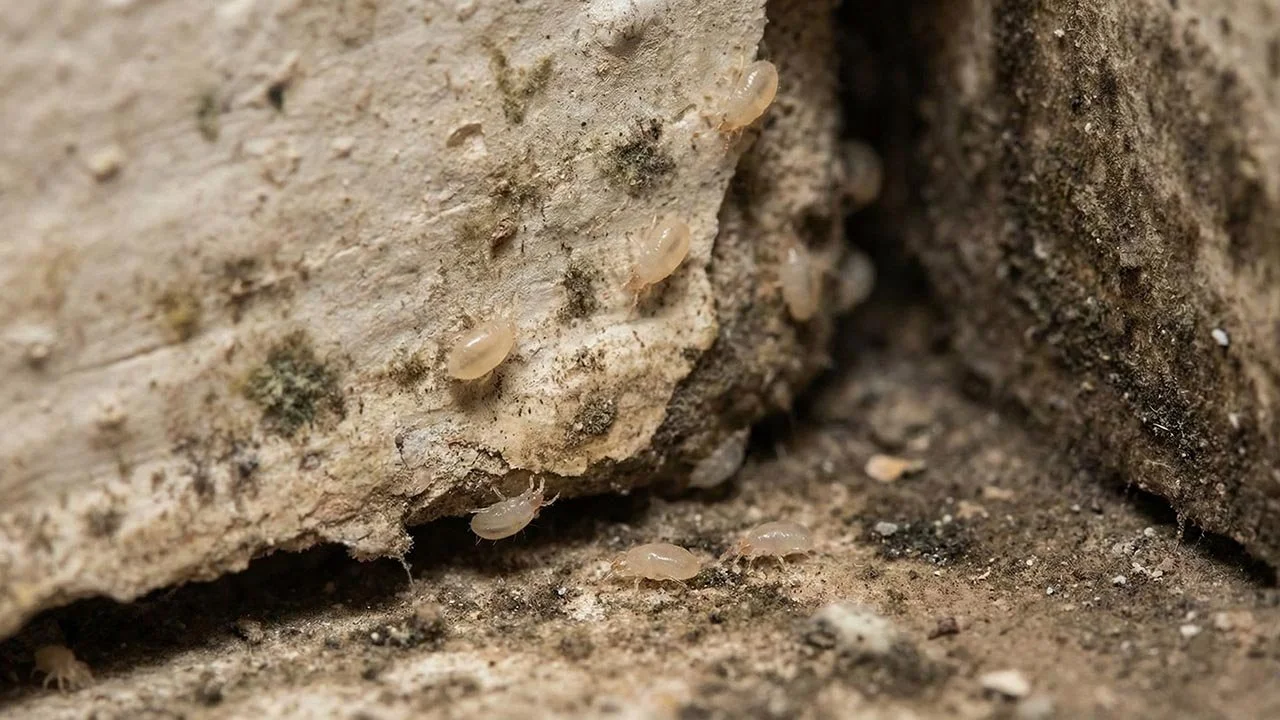
Plaster mites can become a troubling issue in new build properties when moisture management during construction hasn't been properly addressed. These tiny creatures are not typically visible to the naked eye, but their presence can be detected through other signs such as a musty odour or visible mould growth in affected areas. Whilst they don't cause direct harm to humans, they can exacerbate allergies and respiratory issues, and their presence indicates underlying moisture problems that need urgent attention.
Why Do Plaster Mites Occur in New Build Homes?
The occurrence of plaster mites in new build homes is more common than many homeowners realise, and it typically stems from issues during the construction phase. When building materials and supplies are not stored or handled properly, excess moisture can become trapped within the property. This creates the perfect breeding ground for mould and fungi, which in turn attracts plaster mites.
Several factors contribute to plaster mite infestations in newly constructed properties. Poor ventilation systems installed during construction can prevent adequate air circulation, allowing humidity levels to rise. Leaky pipes or defective plumbing that goes unnoticed during the building process can introduce persistent moisture into walls and floors. Additionally, water damage occurring during construction, if not properly remediated, can create damp conditions that persist even after the home is completed.
New build homes are particularly susceptible during the drying-out period. Modern construction methods often mean that significant amounts of water are used in the building process, from concrete pours to plaster application. If the property isn't given adequate time to dry out properly, or if ventilation isn't sufficient during this critical period, moisture can become trapped within the building fabric, creating ideal conditions for plaster mites to establish themselves.
Who Is Responsible for Eradication in a New Build Home?
If you've discovered a plaster mite infestation in your new build property, determining responsibility for eradication depends on several factors, including the terms of your purchase agreement, the specifics of your warranty coverage, and local regulations. However, in most cases, the responsibility falls squarely on the builder or developer.
Builders are generally expected to deliver homes in a habitable condition, free from defects and infestations. When plaster mite problems arise from construction-related issues such as poor moisture management, inadequate ventilation, or substandard building practices, the builder bears responsibility for rectifying the problem and eradicating the mites. This is particularly true if the infestation becomes apparent within the warranty period.
It's essential to review your purchase agreement, new home warranty, and any other legal documents related to your property purchase carefully. These documents typically outline the responsibilities and obligations of the builder regarding defects and infestations. Most new build homes come with warranty protection from providers such as NHBC, LABC, Premier, or other warranty bodies, which usually cover such issues within specified timeframes.
If you find that the infestation falls under the builder's responsibility, you should contact them immediately to report the issue and request appropriate remediation. Document everything thoroughly, including photographs, correspondence, and any reports from professionals. This documentation will be invaluable if disputes arise or if you need to escalate the matter to your warranty provider.
Local building codes and regulations may also specify certain standards that new homes must meet. If the builder has failed to meet these standards, you may have legal recourse to seek remediation or compensation. It's advisable to consult with a legal professional or contact a local housing authority or consumer protection agency to understand your rights and obligations fully.
The Cost and Procedure for Getting Rid of Plaster Mites
The cost of eradicating plaster mites varies considerably depending on the severity of the infestation, the size of the affected area, and the extent of the underlying moisture problem. Professional pest control services for plaster mite removal typically range from a few hundred to several thousand pounds. However, when the issue is covered under your new build warranty, you shouldn't need to bear these costs directly.
The eradication procedure typically follows a systematic approach. First, a pest control professional will conduct a thorough inspection of the affected area to assess the extent of the infestation and identify any underlying moisture issues contributing to the problem. This inspection is crucial because treating the mites without addressing the root cause will only provide temporary relief.
Once the inspection is complete, the pest control professional will develop a comprehensive treatment plan based on the severity of the infestation. Treatment methods may include chemical or non-chemical approaches to eliminate the mites. Chemical treatments might involve applying appropriate insecticides, whilst non-chemical methods could include heat treatments or other environmentally friendly alternatives.
However, the most critical aspect of eradicating plaster mites is eliminating the moisture source that attracts them in the first place. This may involve repairing leaky pipes, improving ventilation systems, installing dehumidifiers in affected areas, or addressing defects in the building envelope that allow moisture ingress. Without solving these underlying problems, the infestation is likely to return.
Prevention of future infestations requires maintaining good housekeeping practices, including regular cleaning and vacuuming, and addressing any moisture or ventilation issues promptly. Homeowners should remain vigilant for signs of dampness or condensation and report any concerns to their builder immediately if still within the warranty period.
What Does the NHBC Say About Plaster Mites?
The National House Building Council (NHBC) provides clear guidance on preventing and addressing moisture-related issues in new homes, including plaster mite infestations. As the UK's leading warranty and insurance provider for newly built homes, the NHBC sets standards that builders must meet and provides protection for homeowners when things go wrong.
According to NHBC guidance, plaster mite infestations can be prevented by implementing good moisture management practices both during construction and after the home is occupied. This includes using appropriate ventilation systems throughout the property, ensuring adequate insulation in all areas, and preventing water penetration from external sources through proper weatherproofing and drainage.
When a plaster mite infestation occurs in a newly built home, the NHBC recommends that homeowners contact the builder or developer immediately to report the issue. Under NHBC warranty terms, builders and developers are expected to rectify defects and infestations that occur within the warranty period, which typically extends to ten years for major issues, with a two-year period for non-major defects.
The NHBC's guidance on remedying plaster mite infestations emphasises the importance of identifying and addressing the underlying moisture issue first, followed by using appropriate pest control methods to eliminate the mites. Simply treating the symptom without addressing the cause is not an acceptable solution under NHBC standards.
The organisation places significant emphasis on preventing moisture-related issues in new homes, recognising that these can lead to numerous problems beyond just plaster mites. By implementing robust moisture management practices and addressing any issues promptly, builders can help prevent these problems and ensure that new homes meet the quality standards expected by homeowners.
Preventing Plaster Mite Infestations Through Good Building Practices
Understanding how proper construction practices prevent plaster mite problems can help you recognise potential issues in your new build home and advocate for appropriate remediation. Several key practices should be standard in any well-built new home.
Proper ventilation systems are fundamental to preventing excess moisture buildup. This includes installing adequate exhaust fans in kitchens and bathrooms, ensuring that all air vents remain unobstructed, and providing sufficient background ventilation throughout the property. Modern building regulations require specific ventilation standards, and builders should exceed minimum requirements where possible.
Adequate insulation plays a vital role in maintaining a comfortable and dry living environment. Walls, floors, and ceilings should be properly insulated using materials with appropriate thermal properties to prevent moisture buildup and reduce the risk of condensation. The type of insulation used should be suitable for its location, with particular attention paid to areas prone to moisture such as basements, beneath ground floors, and in roof spaces.
Preventing water penetration from external sources is equally important. Rain and ground water can contribute to excess moisture buildup if the home isn't properly sealed. Builders should ensure that external drainage systems are installed correctly, that the building envelope is weathertight, and that all penetrations through walls and roofs are properly sealed.
Using moisture-resistant materials during construction can also help prevent problems. Moisture-resistant plasterboard in bathrooms and kitchens, appropriate damp-proof courses and membranes, and proper treatment of timber can all contribute to a drier, healthier home environment that doesn't provide ideal conditions for plaster mites.
How Brickkickers Can Help
At Brickkickers, we understand that discovering plaster mites or signs of excessive moisture in your new build home can be distressing. With nearly 20 years of experience in new build snagging inspections, our qualified inspectors are experts at identifying moisture-related issues and other defects that could lead to problems like plaster mite infestations.
Our comprehensive snagging inspections include thermal imaging as standard, which is particularly effective at identifying moisture problems, insulation deficiencies, and heat loss that might not be visible to the naked eye. These thermal surveys can highlight areas where moisture is present, helping to identify the root cause of plaster mite problems before they become severe.
Whether you're approaching completion on your new build, have recently moved in, or are experiencing ongoing issues with your property, our independent snagging reports provide you with the evidence you need to hold your builder accountable. We inspect for quality against all major warranty providers, including NHBC, LABC, Premier, and others, ensuring that your home meets the standards you've paid for.
For particularly complex cases involving disputes with builders over moisture problems or other defects, we also offer customised and intrusive building surveys. These detailed inspections can provide the in-depth analysis needed to resolve disagreements and get the remediation your home requires.
If you're concerned about moisture problems, plaster mites, or any other defects in your new build home, contact Brickkickers today. Our nationwide network of experienced inspectors is ready to help you protect your investment and ensure you receive the quality home you deserve.
Call us on 0845 226 6036 or email info@brickkickers.co.uk to arrange your inspection.