
Essential Questions Every First-Time Buyer Should Ask Before Purchasing a New-Build Home
Purchasing your first home is one of the most exciting milestones you'll experience, but it can also be one of the most daunting. When that home is a new build, the process comes with its own unique set of considerations that differ quite significantly from buying an older property. Knowing the right questions to ask before you commit can save you thousands of pounds and a great deal of stress further down the line.
At Brickkickers, we've spent nearly 20 years inspecting new-build homes across the country, and we've seen first-hand what happens when buyers don't ask the important questions early enough. Here's our guide to the essential things you should be asking your developer or sales consultant before signing on the dotted line.
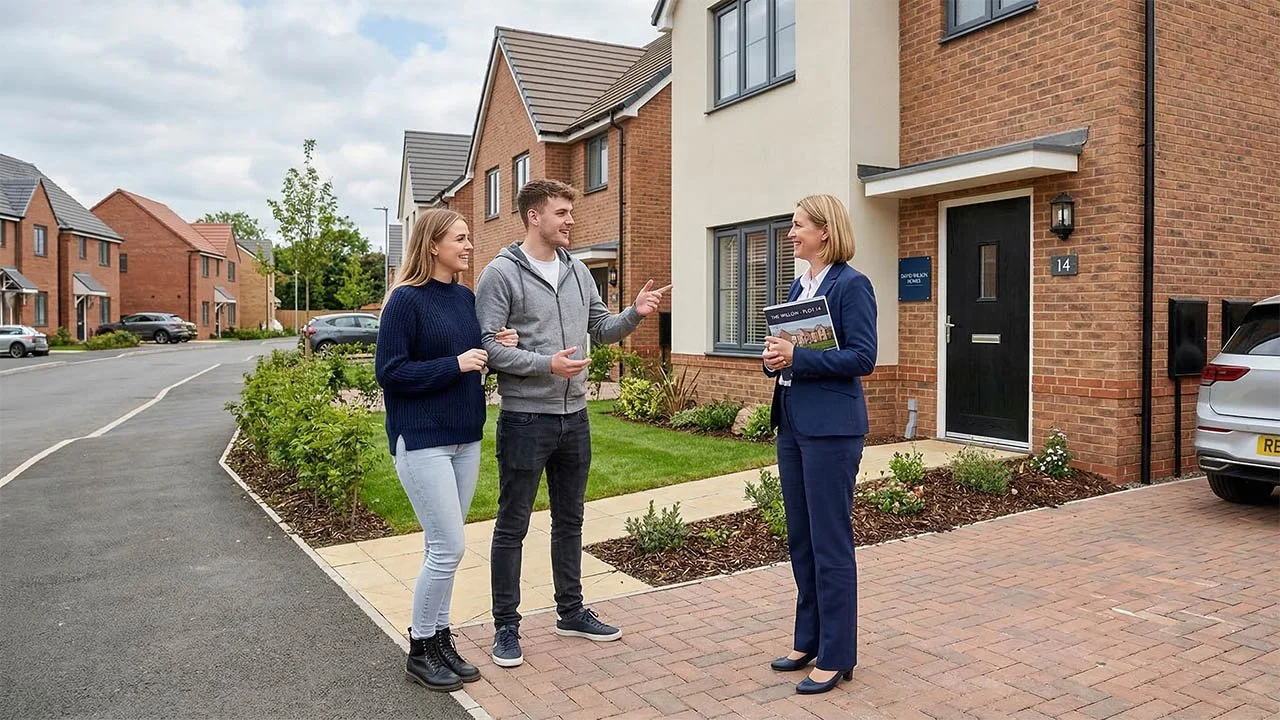
Does the property come with a warranty, and what exactly does it cover?
New-build properties typically come with a building warranty, which is essentially an insurance policy taken out by the developer to protect you as the buyer. However, not all warranties are created equal. There are numerous providers, including NHBC, LABC, Premier, and several others, and the terms and coverage can vary considerably between them.
Make sure you ask which warranty provider covers your property and request the full details of what is and isn't included. Your mortgage lender will also want to know this information before approving your application, so getting clarity early will help keep the process moving smoothly.
What are the customer service and snagging processes after completion?
This is a question that's particularly close to our hearts at Brickkickers. "Snagging" refers to the defects and problems that remain in a property after building work has been completed, and our data shows that the average new-build home has in excess of 140 of them. Some will be immediately visible, such as scuffed paintwork or poorly fitted doors, but many more will be hidden beneath the surface where only an experienced inspector can spot them.
Different developers have different processes for dealing with snags after you move in, so it's well worth asking what their after-sales service looks like. How do you report defects? What are their response times? Is there a dedicated customer care team? Understanding this before you buy will give you a much clearer picture of the support you can expect.
It's also worth considering whether you'd benefit from an independent snagging inspection. Having a professional inspect your home, either before or after completion, gives you a comprehensive and impartial record of any defects that need addressing. This puts you in a far stronger position when dealing with your builder.
When is the property likely to be completed?
Many new-build homes are sold "off plan," meaning you're committing to purchase a property that hasn't been finished yet, and in some cases hasn't even been started. This can make planning your move quite tricky, so always ask for an anticipated completion date.
Bear in mind, though, that build programmes can and do change. Delays caused by weather, supply chain issues, or labour shortages are not uncommon. Ask the developer how they handle delays and what communication you can expect if timescales shift.
Are there any service charges, ground rents, or lease terms I should know about?
Many new-build developments come with ongoing service charges, particularly where there are communal areas, unadopted roads, or shared green spaces that need maintaining. If you're buying a flat or apartment, there will almost certainly be a lease to consider, along with potential ground rent obligations.
No two developments are the same when it comes to these costs, so make sure you get full details before paying a reservation fee. These charges can add a significant amount to your monthly outgoings, and it's far better to factor them in from the start rather than discover them after you've moved in.
Who are the developers, and what is their track record?
It's always wise to do a bit of research into the company building your home. Ask what other developments they've completed and, if possible, speak to homeowners who have already bought from them. Online reviews and forums can also be a useful source of honest feedback about build quality and customer service.
At Brickkickers, we inspect homes built by developers of all sizes, from large national housebuilders to smaller regional firms. While many deliver good-quality homes, others consistently fall short. A little due diligence at this stage can save you a great deal of frustration later.
Is parking included in the sale?
This might seem like a straightforward question, but parking arrangements on new-build developments can be surprisingly complicated. Some properties come with allocated spaces included in the purchase price, while others may require you to buy or rent a space separately. In some cases, parking is shared on a first-come, first-served basis.
Getting absolute clarity on this before you commit will help you avoid disputes and unexpected costs once you've taken ownership.
What is the EPC or SAP rating?
New-build homes should generally perform well in terms of energy efficiency, but it's still worth asking for the property's Energy Performance Certificate (EPC) or Standard Assessment Procedure (SAP) rating. This will give you a good indication of how much your heating and energy bills are likely to be, and whether the home meets current building regulations for energy performance.
What appliances and fittings are included in the price?
Don't assume that everything you see in the show home is included in your purchase price. Developers often dress show homes with upgraded kitchens, premium appliances, and high-end finishes that may come at additional cost. Ask for a full specification of exactly what's included so you can budget accurately and avoid any unwelcome surprises after moving day.
Can I make upgrades or customise the specification?
Some developers offer the opportunity to upgrade certain elements of your home during the build process, such as kitchen worktops, bathroom tiles, or flooring. The availability and cost of these upgrades will vary between developers and may depend on how far along the build has progressed. If personalising your home matters to you, it's worth raising this early.
Is there a reservation fee, and what are the terms?
Most new-build purchases require a reservation fee to secure the property, and the terms attached to this payment can vary depending on the developer and their warranty provider. Make sure you understand whether the fee is refundable, under what circumstances you might lose it, and what obligations it places on both you and the developer.
Will the roads be adopted by the local authority?
If the roads on your development are not adopted by the local council, you may find yourself responsible for contributing to their maintenance through a management company. This is another potential ongoing cost that's worth understanding before you buy.
Is the property connected to mains drainage?
Not every new-build home is connected to mains drainage. Some developments use private drainage systems or package treatment plants, which can come with their own maintenance obligations and costs. Checking this early helps you avoid any surprise expenses once you've settled in.
Have the council tax bands been confirmed?
Council tax can be a significant monthly expense, and bands for new-build properties are sometimes not confirmed until after completion. If the band hasn't been set yet, ask the developer for an estimate based on similar properties in the area so you can plan your budget accordingly.
Will the developer contribute towards solicitor's fees?
It's always worth asking whether the developer is offering any incentives to help with the cost of purchasing, such as contributions towards legal fees. Some developers appoint a single conveyancing firm to act for all buyers on a development, which can sometimes speed up the transaction process and reduce costs.
Would the developer consider a part exchange?
If you already own a home and are looking to move into a new build, some developers offer part-exchange schemes where they purchase your existing property to facilitate the sale. This can significantly simplify and speed up the buying process, so it's worth exploring if you're in a chain.
Why an independent snagging inspection matters
While asking all the right questions is a crucial part of the buying process, nothing replaces having an experienced professional inspect your new home independently. Developers have their own quality control processes, but these are carried out by people who are, ultimately, employed by the builder.
An independent snagging inspection from Brickkickers gives you an impartial assessment of your home's quality. Our inspectors are experienced construction professionals who know exactly what to look for, from obvious cosmetic defects to hidden issues that could affect the long-term performance of your home. We also include thermal imaging as standard in our reports, helping to identify problems such as missing insulation, heating inefficiencies, and gaps in draught-proofing that simply cannot be spotted with the naked eye.
Whether you're arranging a pre-completion inspection before you exchange or a standard snagging inspection after you've moved in, we're here to make sure you get the quality of home you've paid for.
Get in touch
If you're a first-time buyer and want to know more about how a snagging inspection can protect your investment, get in touch with Brickkickers today. Call us on 0845 226 6036 or email info@brickkickers.co.uk